

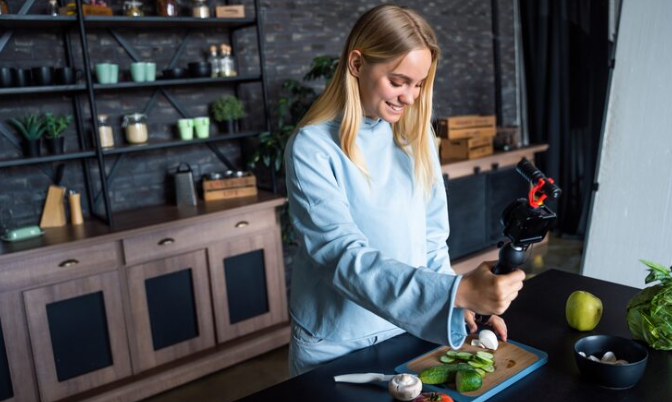
In a vast kitchen situated somewhere between spectacle and restaurant fantasy, the lights of the television studio gradually come on. The glow of overhead rigs is reflected by polished marble counters. Cutting boards are neatly placed next to knives. Then Padma Lakshmi enters, calm and perceptive, almost examining the space like an experienced tourist explores a new city. There seems to be a subtle change in the cooking television industry as you watch her on set.
Lakshmi’s most well-known role for almost twenty years was that of the composed host of Top Chef. She tasted sauces, raised an eyebrow at undercooked protein, and occasionally uttered the dreaded words that sent a contestant home while standing at the judges’ table. The sound of pans clattering and the tension building in the room as chefs plated their last dishes gave the television a polished, professional feel, but it also had a certain unpredictable quality.
| Category | Details |
|---|---|
| Name | Padma Lakshmi |
| Profession | Television host, producer, author, entrepreneur |
| Known For | Hosting Top Chef and creating culinary TV programming |
| New Project | America’s Culinary Cup |
| Years Active in Food Television | Over two decades |
| Notable Work | Taste the Nation with Padma Lakshmi |
| Awards | Emmy-nominated producer and television personality |
| Birthplace | Chennai |
| Current Base | New York City |
| Official Website | https://www.padmalakshmi.com |
However, something occurred in the process. Lakshmi began creating her own formats after years of hosting other people’s.
Although that change might seem insignificant, it has a huge impact on television economics. The distinction between a salary and a long-term media business can be found in the difference between appearing on a show and owning a portion of it. Compared to many of her peers in food television, Lakshmi appeared to grasp this earlier.
That shift was alluded to in her show Taste the Nation with Padma Lakshmi. Rather than following a typical competition format, the series explored dishes and histories that are uncommon on glossy cooking programs as it traveled through immigrant communities across the United States. The cameras followed Lakshmi through crowded street festivals, small home kitchens brimming with steam and spices, and local bakeries.
It was difficult to ignore how different the tone felt when watching those episodes. less rivalry. More interest. Instead of sport, food is culture. The next leap followed.
With America’s Culinary Cup, a high-stakes culinary competition that reportedly offers one of the biggest cash prizes ever seen in the genre, Lakshmi made a comeback to competitive television this year. The scene is magnificent, with stainless steel appliances shining like brand-new sports cars and chefs working under cathedral-like lighting. In one of the opening shots, Lakshmi emerges from a helicopter wearing a yellow gown, making an entrance that is equal parts culinary extravaganza and dramatic film.
However, the spectacle might not be the true story. It’s the possession. Lakshmi is now more than just the show’s host. She contributed to its construction.
This distinction is more important than it seems. Reality TV has been gradually moving toward what media executives now refer to as “creator ownership,” in which celebrities start influencing the formats themselves instead of just acting out parts. The change is similar to what happened on YouTube years ago when influencers realized that controlling the platform meant controlling the economics.
In retrospect, Lakshmi’s career path now seems almost strategic. Although she never claimed to be a professional chef, she spent years becoming the genre’s most recognizable face and gaining credibility with viewers who trusted her taste. It turned out to be a strangely potent outsider viewpoint, half critic, half inquisitive diner.
Producers frequently discuss the challenges of maintaining the originality of culinary competitions behind the scenes. The format runs the risk of becoming monotonous after twenty years of dramatic countdowns, elimination rounds, and mystery baskets on television. Lakshmi appears to be conscious of that weariness. Her more recent endeavors frequently have a narrative focus, with identity, culture, and travel simmering alongside the recipes.
The business side of food television becomes surprisingly apparent when you stand on a studio floor and watch chefs rush to finish a dish, the air heavy with butter and garlic. Because the genre is less expensive than scripted drama, networks continue to adore it. After all, kitchens are less expensive than explosions. However, the creators who come up with the ideas are increasingly making the real money.
As she watched this develop, she seemed to realize something about contemporary television: personality by itself is no longer sufficient to create a successful career. Ownership does. Formats do. That’s what intellectual property does.
How much of a media presence she might have over the next ten years is still unknown. Audiences can be erratic, and the entertainment industry has a tendency to shift course quickly. However, Lakshmi’s shift from host to architect points to a more profound comprehension of the direction the industry is taking.
On screen, food television may appear straightforward. A judge, a plate, a ruling. However, it’s turning into a creative industry behind the camera. Additionally, Padma Lakshmi appears committed to managing the kitchen.
